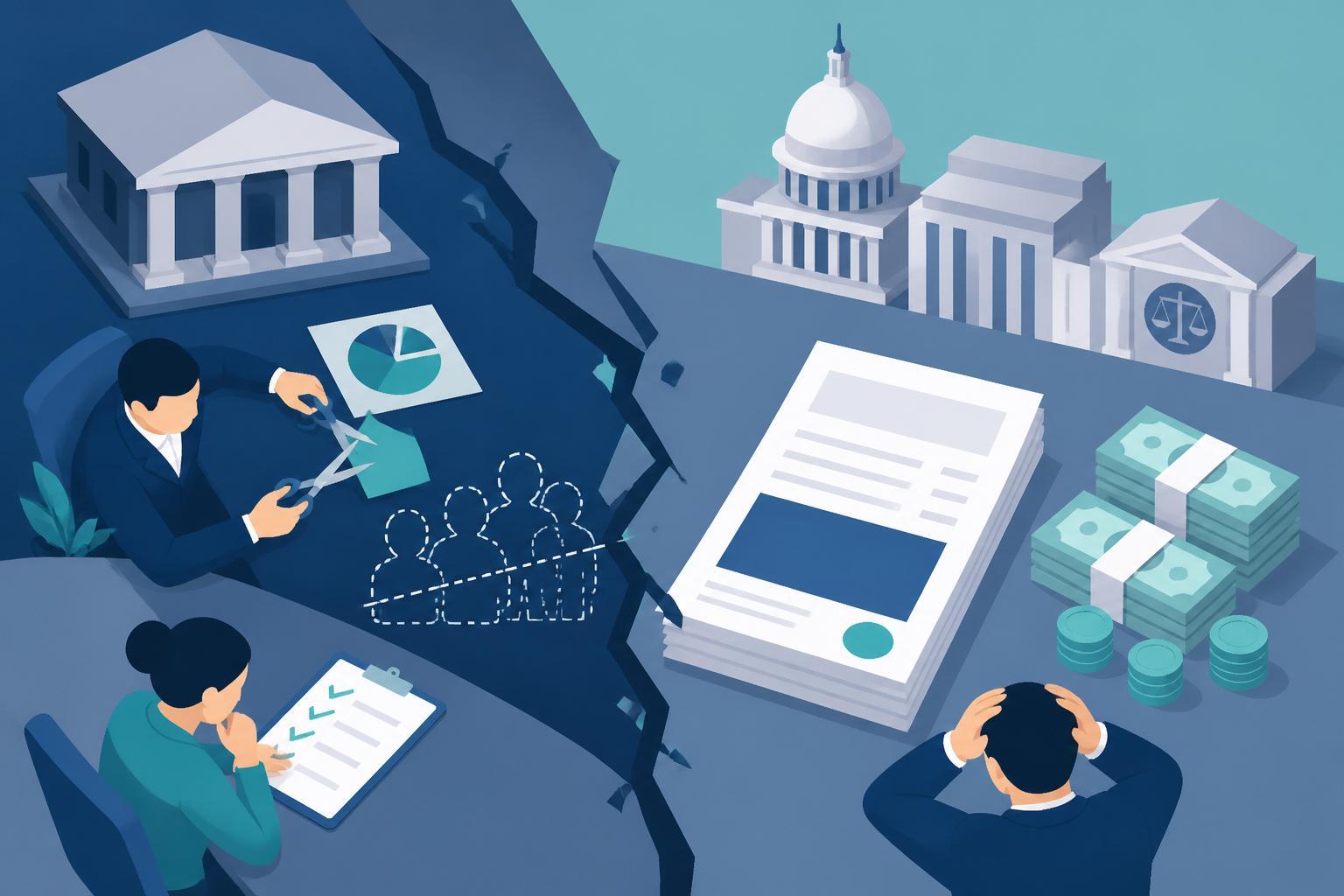
Can an AML program get stronger while its budget gets smaller? A recent Napier AI study suggests the answer may be yes. Using data from GlobalData, the United Nations Office on Drugs and Crime, and the Organisation for Economic Co-Operation and Development, the study found that US AML compliance spending fell from $67 billion in 2024 to $60 billion in 2025. Over the same period, estimated money laundering in the US dropped from about $700 billion to about $658 billion.
One study doesn't prove cause and effect. Many forces shape those numbers. But the finding raises a fair question for anyone who manages a compliance budget: if dollars alone don't determine outcomes, what does?
This checklist is for compliance training managers who need to hold the line on AML effectiveness while resources tighten. It focuses on where training and program design can do more with less.
Prerequisites
Before you work through the items, have these in hand:
- Your current AML risk assessment, or a commitment to complete one
- Your current training catalog, completion data, and any assessment scores
- A list of AML-related tools your team uses, including monitoring and screening systems
- Access to your Compliance and Operations leads, since several items need their input
If you can't produce a risk assessment, start with item 1. Everything else depends on it.
The Checklist
1. Tie your AML risk assessment to your training plan.
Done: Each high-risk area in your assessment (products, customer types, geographies, delivery channels) maps to a specific training module or job aid. Not done: Training topics were chosen by habit or by what's easy to buy.
What good looks like: You can point to any course and name the risk it addresses.
2. Segment audiences by role, not by headcount.
Done: Front-line staff, investigators, relationship managers, and senior leaders each receive content built for their decisions. Not done: Everyone gets the same annual module.
What good looks like: A relationship manager and an alert analyst finish training with different skills they can use the next morning.
3. Cut training that doesn't connect to a risk or a requirement.
Done: You've reviewed each module against your risk assessment and your regulatory obligations, and retired or merged the ones that don't earn their place. Not done: The catalog only grows.
What good looks like: A shorter catalog where every item has a stated purpose and an owner.
4. Train people to use your technology well.
Done: Staff who work with monitoring, screening, and case management tools are trained on how to interpret outputs, not just where to click. Not done: Tool training ends at onboarding.
What good looks like: Analysts can explain why they closed an alert, and reviewers can spot a pattern the tool missed. Technology reduces manual effort only when people know how to question it.
5. Measure false-positive handling, not just completion rates.
Done: You track how well staff handle alerts and escalations, and you feed those findings back into training. Not done: Your only metric is the percentage of employees who finished the course.
What good looks like: Training content changes in response to real alert-handling gaps.
6. Use scenario-based assessments tied to your actual typologies.
Done: Assessments use realistic situations drawn from your own business lines (structuring, unusual account activity, third-party payments) rather than generic quizzes. Not done: Assessments test vocabulary.
What good looks like: Learners practice the judgment calls they'll face, and wrong answers reveal where understanding is thin.
7. Confirm a clear escalation path and test it.
Done: Staff know who to tell, how to tell them, and what happens next. You've run at least one drill or tabletop to check that the path works. Not done: The path exists on paper only.
What good looks like: An employee with a concern reaches the right person quickly, and the handoff is documented. This ties directly to your Speak-Up Program and its Anti-Retaliation Safeguards.
8. Document your reasoning for resource decisions.
Done: When you reduce or reallocate spend, you record the risk logic behind it and who approved it. Not done: Cuts happen informally.
What good looks like: A regulator or auditor reading your file can see that the program was adjusted deliberately. This matters under the Seven Elements of an Effective Compliance Program, which expects a program that's reasonably designed and adapted to risk. Under the DOJ Criminal Division Guidance, prosecutors ask whether a program is well designed, adequately resourced, and working in practice. A smaller budget isn't a problem on its own. An unexplained one can be.
9. Review third-party and intermediary exposure.
Done: Training and controls cover Third-Party Intermediaries who touch customer funds or onboarding. Not done: Third-party risk is treated as a separate topic that rarely meets AML training.
What good looks like: The people managing those relationships know the red flags and the escalation steps.
10. Schedule a recurring effectiveness review.
Done: At least once a year, you compare training content and program results against changes in your risk profile, products, and regulations. Not done: Reviews happen only after an incident.
What good looks like: A dated review, a short list of changes made, and a named owner for each.
Common Mistakes
Treating budget as a proxy for quality. A larger budget can buy more volume without buying better judgment. Check outcomes before you check spend.
Cutting training first because it's easy to cut. Training is often the most visible line item and the least protected. Before reducing it, confirm what risk the reduction exposes.
Buying technology and skipping the people side. A tool that generates alerts nobody understands adds cost without adding protection.
Using completion rates as proof of effectiveness. A 100% completion rate tells you people clicked through. It doesn't tell you they can spot a problem.
Making reductions without a paper trail. If you can't show why a change was reasonable, it looks arbitrary in hindsight.
Next Steps
Start small. This week, pull your AML risk assessment and your training catalog side by side and look for gaps and overlaps. Next, pick two or three modules to rework into scenario-based formats using your own typologies. Then set up a simple feedback loop with your investigators so alert-handling findings flow back into your content.
Finally, write down your resource rationale. The Napier AI findings are a useful reminder that effectiveness comes from where you focus, not only from how much you spend. Your job is to make sure your focus is deliberate, documented, and aimed at the risks that matter most to your organization.