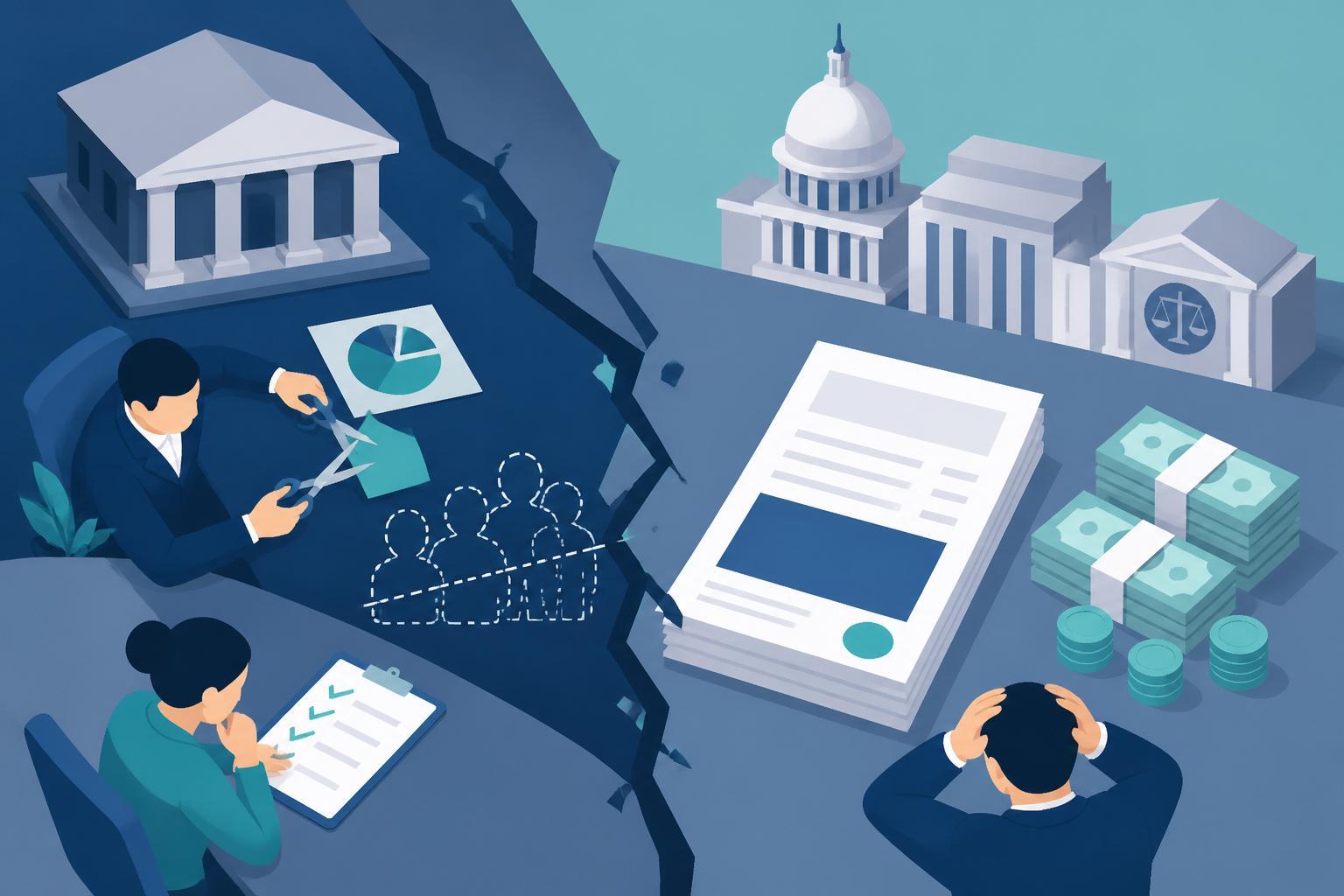
A flat budget might seem safe when enforcement appears to be easing, but the data tells a different story. Here's what recent enforcement activity reveals and how it should shape your next budget conversation with leadership.
Shifting Enforcement Focus
Many boards have misinterpreted the narrowing of FCPA enforcement as a sign that compliance risk has decreased. This view mistakenly equates one statute with the entire regulatory landscape. Enforcement focus has shifted, not disappeared. A recent case highlights what happens when a compliance function identifies a problem but can't act on it.
Key Insights
1. Weak Compliance Can Be Costly
On October 13, three regulators announced actions against Bank of America, including a $1.2 billion civil penalty from FinCEN. The OCC imposed a separate $750 million penalty, credited against FinCEN's, and OFAC added an $11.6 million settlement. FinCEN noted the bank likely saved hundreds of millions by skimping on compliance. Remediation is expected to require 750 additional staff and 800 consultants for a one-time review, uncovering nearly 8,900 suspicious activity reports that should have been filed. Penalties are just the visible cost; investigations, lost business, and management time add up.
2. Authority, Not Awareness, Was the Issue
This wasn't a bank without a compliance function. In July 2022, compliance staff recommended closing accounts for a risky customer. The relationship team cited $6 million in annual revenue, opting for a mitigation plan instead. The customer continued processing payments until June 2025. When a monitoring test produced an unwelcome result, it was repeated, with the second test claiming the system was "working as intended." FinCEN disagreed. Violations spanned from 2018 to 2025. Your program's strength lies in its ability to say no and be heard.
3. Enforcement Has Shifted, Not Withdrawn
The Justice Department is now focusing on healthcare, government procurement, tax, and trade fraud. An October 1 directive from the National Fraud Enforcement Division prioritized these areas, including tariff evasion and forced labor. These issues affect more companies than the FCPA traditionally did. Sanctions and export control cases continue.
4. Detection Tools Are Improving
The directive emphasizes data analytics and encourages whistleblower incentives, even for insiders involved in misconduct. Reducing monitoring and speak-up capacity might limit your visibility just as the government's is expanding.
5. Small Companies Aren't Exempt
A small freight forwarder, Pegasus Worldwide Logistics, paid $175,015 to OFAC over a $5,950 machine due to late screening. The penalty and ongoing obligations cost far more than better screening would have. The scale differs from Bank of America's case, but the logic is the same.
Implications for Your Team
For a Chief Compliance Officer, three actions are essential:
First, your risk map likely needs redrawing, not shrinking. If your program focused on foreign bribery, ensure it covers customs, procurement, healthcare billing, tax, and sanctions exposure.
Second, stature is as important as staffing. Regulators penalized Bank of America for the gap between knowledge and action, not missing policies. Access to data and decision-making power turns knowledge into protection.
Third, framing compliance as a cost center is a communication issue you can tackle. Leadership responds to exposure, not activity counts.
Action Items by Priority
Do Now
- Test Your Stop Authority: Ensure your team can hold a transaction or end a relationship over objections. Document any gaps.
- Review Override Records: Track instances where compliance recommendations were overruled. If none, question if compliance is being consulted.
- Protect Testing Integrity: Retain initial control test results and document any retests independently.
Do This Quarter
- Reframe Your Budget Request: Focus on potential costs of compliance failures, using the Bank of America case as an example.
- Set Red Lines: Identify functions that can't be cut without increasing risk. If leadership proceeds, have them accept the risk in writing.
- Audit Risk Coverage: Ensure controls cover healthcare, procurement, tax, trade fraud, and sanctions screening.
Do This Year
- Offer an Efficiency Path: Propose automation and risk-based prioritization as alternatives to cuts. Present a modernization plan.
- Strengthen Speak-Up Systems: Ensure issues surface internally. Review anti-retaliation safeguards and reporting lines.
- Review Reporting Lines: Ensure the CCO is positioned to hear about problems early and inform the board.
The Bottom Line
Saving money now only to pay more later isn't a saving; it's a costly loan. Rebuilding a program after failure costs more than maintaining it. Make this case before budgets are set.